
LinkedIn Content Strategy for B2B: How to Build Authority and Generate Leads
Master LinkedIn content strategy for B2B success. Learn how to build thought leadership, engage decision-makers, and generate quality leads on LinkedIn.
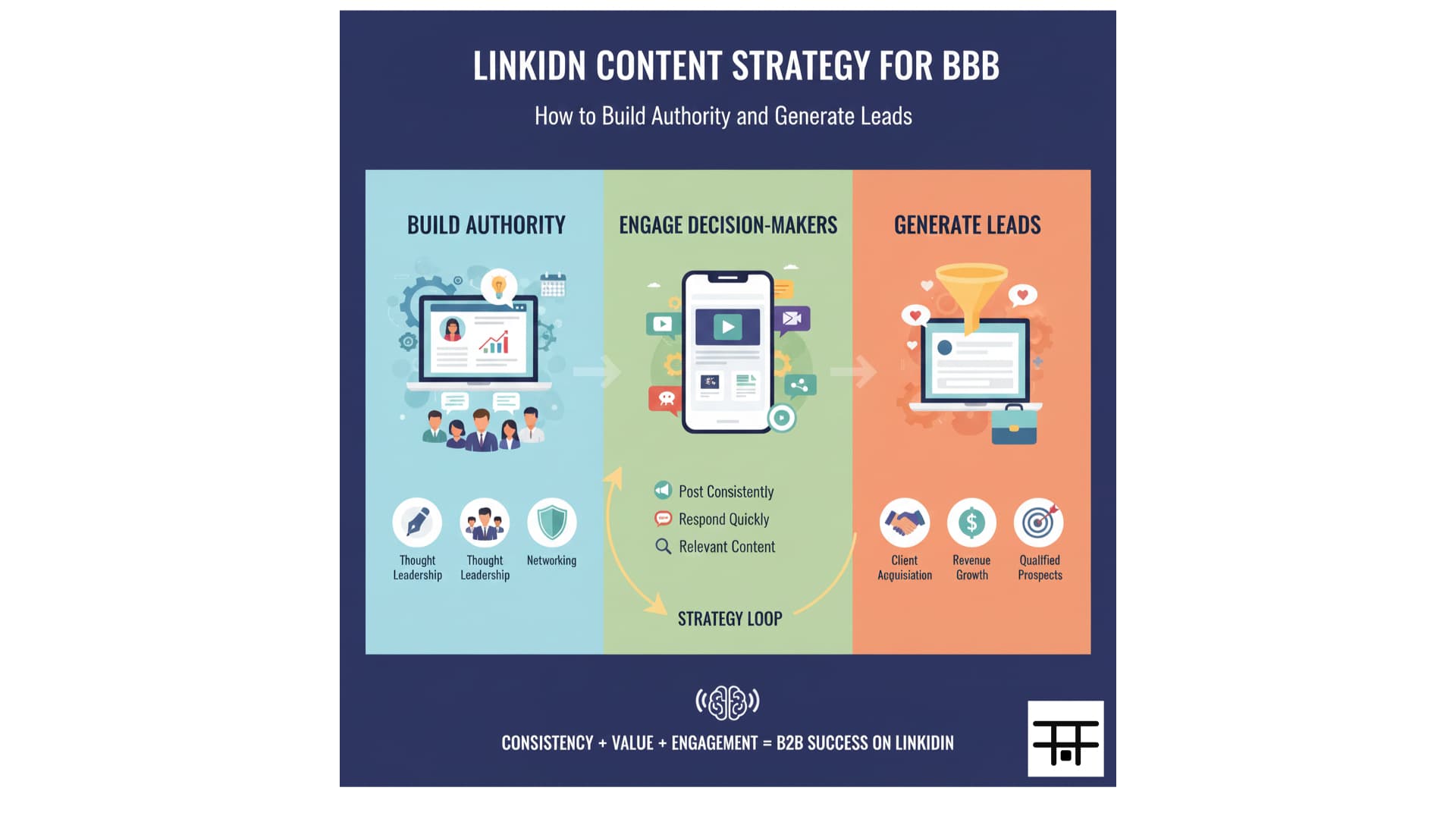
LinkedIn has become the premier platform for B2B marketing, with 80% of B2B leads coming from social media - and LinkedIn generating the majority of those. But success on LinkedIn requires a different approach than other social platforms. B2B audiences are looking for expertise, insights, and value, not just entertainment.
LinkedIn's algorithm favors content that generates meaningful engagement - comments, shares, and saves - over simple likes. Focus on creating content that sparks professional discussions.
Why LinkedIn Matters for B2B
LinkedIn offers unique advantages for B2B marketers:
- Decision-Maker Access: Reach C-suite executives and decision-makers directly
- Professional Context: Content is consumed in a business mindset
- Lead Quality: Higher-quality leads than other platforms
- Thought Leadership: Establish expertise in your industry
- Networking: Build relationships with prospects and partners
- Content Longevity: Posts can continue generating engagement for weeks
LinkedIn users are in a professional mindset when browsing, making them more receptive to business content, industry insights, and solutions to professional challenges.
Understanding the LinkedIn Algorithm
LinkedIn's algorithm prioritizes content that drives meaningful engagement:
Key Ranking Factors:
- Early Engagement: Performance in first hour matters most
- Comment Quality: Longer, thoughtful comments boost visibility
- Share Value: Shares to network increase reach significantly
- Relevance: Content matching user interests and industry
- Creator Authority: Established thought leaders get more visibility
- Post Format: Native video and carousels often perform better
Algorithm Best Practices:
- Post During Business Hours: 8-10 AM Tuesday-Thursday
- Encourage Comments: Ask questions, share opinions
- Respond Quickly: Engage with early comments within first hour
- Use Native Video: Upload directly to LinkedIn (not YouTube links)
- Tag Strategically: Mention relevant people and companies
- Post Consistently: 3-5 times per week for best results
Content Types That Work on LinkedIn
1. Thought Leadership Posts
Share industry insights and perspectives:
What Makes It Work:
- Unique point of view
- Data-driven insights
- Industry expertise
- Controversial (but respectful) takes
- Personal experiences
Example Topics:
- "Why [industry trend] is misunderstood"
- "3 things I learned from [experience]"
- "The future of [industry] is [prediction]"
- "[Common belief] is wrong, here's why"
2. Educational Content
Teach your audience something valuable:
Formats:
- How-to guides
- Industry best practices
- Common mistakes to avoid
- Step-by-step processes
- Tool and resource recommendations
Why It Works:
- Establishes expertise
- Provides immediate value
- Encourages saves and shares
- Builds trust and authority
3. Behind-the-Scenes Content
Show the human side of your business:
Ideas:
- Company culture highlights
- Team spotlights
- Process reveals
- Office tours
- Day in the life
Why It Works:
- Builds authenticity
- Differentiates from competitors
- Creates emotional connection
- Humanizes your brand
4. Case Studies and Success Stories
Share real results and outcomes:
Elements:
- Problem/solution framework
- Specific metrics and results
- Client testimonials
- Before/after comparisons
- Lessons learned
Why It Works:
- Demonstrates value
- Provides social proof
- Shows expertise
- Generates interest in your services
5. Industry News and Commentary
Share your take on current events:
Approaches:
- Analysis of industry news
- Predictions and trends
- Regulatory changes impact
- Market insights
- Competitive landscape
Why It Works:
- Shows industry awareness
- Positions you as informed
- Encourages discussion
- Timely and relevant
6. Personal Stories and Lessons
Connect through authentic storytelling:
Topics:
- Career journey
- Failure and recovery
- Mentorship experiences
- Industry observations
- Personal growth
Why It Works:
- Builds emotional connection
- Makes you relatable
- Encourages engagement
- Differentiates your voice
LinkedIn Post Formats
Long-Form Posts (LinkedIn Articles)
- Length: 1,000-2,000 words
- Best For: Deep dives, comprehensive guides
- Frequency: 1-2 per month
- Benefits: SEO value, thought leadership, evergreen content
Short-Form Posts
- Length: 150-300 words
- Best For: Quick insights, opinions, updates
- Frequency: 3-5 per week
- Benefits: Quick consumption, high engagement potential
Carousel Posts
- Format: Multiple slides with images/text
- Best For: Step-by-step guides, lists, comparisons
- Benefits: High engagement, shareable, visual
Native Video
- Length: 30 seconds to 5 minutes
- Best For: Tutorials, behind-the-scenes, talking head
- Benefits: Algorithm boost, high engagement
Document Posts (PDFs)
- Format: Upload PDFs that become carousels
- Best For: Guides, reports, presentations
- Benefits: Professional format, downloadable
Creating Engaging LinkedIn Content
The LinkedIn Post Formula:
1. Hook (First Line)
- Ask a question
- Make a bold statement
- Share a surprising statistic
- Tell a story opening
2. Value (Body)
- Provide insights or education
- Share experiences or lessons
- Offer actionable advice
- Present data or research
3. Engagement (End)
- Ask a question
- Request comments
- Encourage shares
- Invite discussion
Writing Best Practices:
Tone:
- Professional but approachable
- Conversational, not corporate
- Authentic and genuine
- Confident but not arrogant
Structure:
- Short paragraphs (2-3 sentences)
- Use line breaks for readability
- Bullet points for lists
- Emojis sparingly (1-2 max)
Length:
- Optimal: 150-300 words
- Maximum engagement: 1,200-1,900 characters
- Long-form: Save for LinkedIn Articles
LinkedIn Content Calendar for B2B
Weekly Content Mix:
Monday - Motivation/Insight
- Industry trend analysis
- Monday motivation post
- Weekly goals or themes
Tuesday - Educational
- How-to content
- Best practices
- Tool recommendations
Wednesday - Thought Leadership
- Industry opinions
- Predictions
- Controversial takes
Thursday - Behind-the-Scenes
- Company culture
- Team spotlights
- Process reveals
Friday - Community/Engagement
- Ask questions
- Share wins
- Weekend reading/listening
Monthly Themes:
- Week 1: Industry insights and trends
- Week 2: Educational content and how-tos
- Week 3: Case studies and success stories
- Week 4: Thought leadership and opinions
Building Thought Leadership
Strategies:
1. Share Unique Perspectives
- Don't just echo what others say
- Offer your own analysis
- Challenge conventional wisdom (respectfully)
- Share contrarian views
2. Provide Value First
- Educate before you sell
- Answer common questions
- Solve industry problems
- Share resources freely
3. Be Consistent
- Post regularly (3-5x per week)
- Maintain consistent voice
- Show up consistently
- Build audience expectations
4. Engage Authentically
- Respond to all comments
- Join relevant discussions
- Share others' content
- Build relationships
Lead Generation on LinkedIn
Content That Generates Leads:
1. Problem-Solution Posts
- Identify common pain points
- Offer solutions
- Include case studies
- Drive to resources
2. Gated Content
- Offer valuable resources
- Require form fill for access
- Provide immediate value
- Follow up appropriately
3. Webinar and Event Promotion
- Share event details
- Highlight value proposition
- Include registration links
- Create FOMO
4. Product/Service Education
- Explain how you solve problems
- Share use cases
- Demonstrate value
- Include soft CTAs
Lead Generation Best Practices:
- Value First: Provide value before asking for anything
- Soft CTAs: "DM me for more info" vs "Buy now"
- Track Performance: Monitor which content generates leads
- Follow Up: Engage with commenters and message interested users
- Nurture: Build relationships before selling
Engagement Strategies
Encouraging Comments:
Ask Questions:
- "What's your experience with [topic]?"
- "Do you agree or disagree?"
- "What would you add to this list?"
Share Opinions:
- Take a stance on industry topics
- Invite discussion and debate
- Encourage different perspectives
Create Controversy (Respectfully):
- Challenge common beliefs
- Present alternative viewpoints
- Invite counterarguments
Responding to Engagement:
- Reply Quickly: Within first hour for maximum visibility
- Be Thoughtful: Provide value in responses
- Ask Follow-ups: Continue the conversation
- Tag Others: Bring relevant people into discussions
- Share Updates: Follow up on popular posts
LinkedIn Analytics and Optimization
Key Metrics to Track:
Reach Metrics:
- Impressions
- Unique viewers
- Profile visits
Engagement Metrics:
- Likes
- Comments (quality matters)
- Shares
- Saves
Performance Metrics:
- Engagement rate
- Click-through rate
- Follower growth
- Lead generation
Using Analytics:
- Identify Top Performers: What content resonates?
- Find Optimal Timing: When is your audience active?
- Understand Audience: Who's engaging with your content?
- Refine Strategy: Adjust based on data
Common LinkedIn Mistakes
1. Being Too Salesy
Posting only promotional content without providing value.
2. Ignoring Engagement
Not responding to comments or engaging with others' content.
3. Inconsistent Posting
Irregular posting schedule hurts algorithm performance.
4. Generic Content
Posting content that could be from any company.
5. Not Using Native Video
Sharing YouTube links instead of uploading directly.
6. Overusing Hashtags
Using too many hashtags (3-5 is optimal).
7. Ignoring Analytics
Not tracking what works and what doesn't.
Tools for LinkedIn Management
Scheduling Tools:
- Postonus: Multi-platform scheduling including LinkedIn
- Buffer: LinkedIn scheduling and analytics
- Hootsuite: Comprehensive LinkedIn management
Content Creation:
- Canva: Professional graphics and carousels
- Loom: Quick video creation
- Grammarly: Writing assistance
Analytics:
- LinkedIn Analytics: Native platform insights
- Sprout Social: Advanced LinkedIn analytics
- LinkedIn Sales Navigator: For B2B lead generation
Conclusion
LinkedIn is a powerful platform for B2B marketing when approached strategically. Success comes from providing value, building authority, and engaging authentically with your professional network. Focus on thought leadership, consistency, and meaningful engagement rather than just promotional content.
Key takeaways:
- Provide value first: Educate before you sell
- Be consistent: Regular posting builds authority
- Engage authentically: Respond to comments and build relationships
- Share unique perspectives: Stand out with original insights
- Track performance: Use analytics to refine your strategy
- Think long-term: Building authority takes time
Remember, LinkedIn is about building professional relationships and establishing expertise. Focus on providing value to your network, and the leads and opportunities will follow.
Ready to elevate your LinkedIn strategy? Try Postonus to schedule and manage your LinkedIn content alongside all your other social media platforms.